
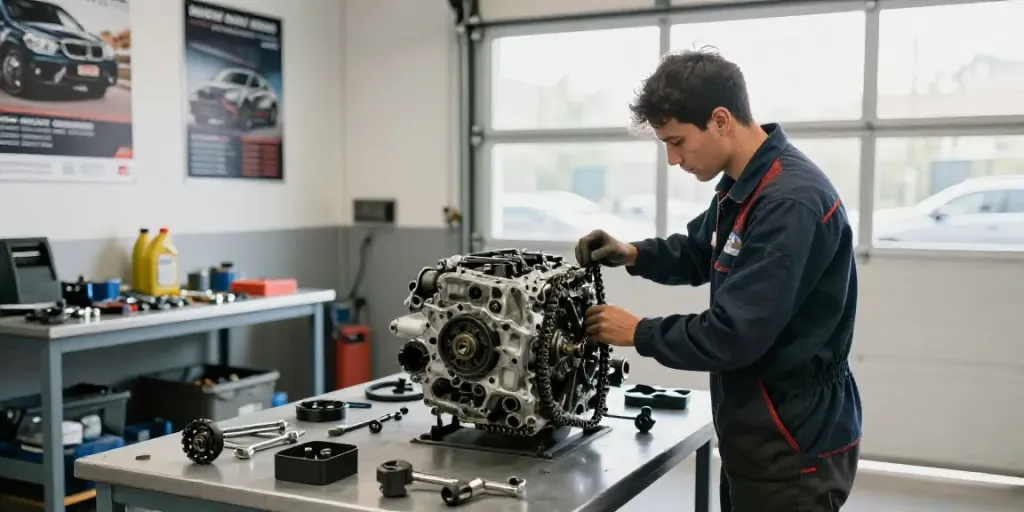
Understanding the Importance of the Timing Chain
The timing chain is a critical component of your vehicle's engine, playing a crucial role in maintaining engine performance and efficiency. Unlike its counterpart, the timing belt, the timing chain is designed to last longer and is generally made from metal, which means it is more durable. However, it does require regular maintenance and timely replacement to avoid catastrophic engine failures. If you are in Hannover and need to steuerkette wechseln hannover, understanding its importance can help you make informed decisions regarding your vehicle's upkeep.
What is a Timing Chain and How Does it Work?
A timing chain connects the crankshaft to the camshaft, ensuring that both components work in harmony to open and close the engine's valves at the proper times. This synchronization is vital for optimal engine performance, as any misalignment can lead to severe engine damage. Timing chains operate under high stress and can stretch over time, which may affect their performance.
Common Issues Leading to Timing Chain Failures
Several factors can lead to timing chain failures, including poor maintenance, oil sludge build-up, and worn out tensioners. When maintenance is neglected, the timing chain can stretch, leading to a loss of synchronization between the engine components. Additionally, excessive wear on the tensioners may not maintain the appropriate tension on the chain, further exacerbating the issue.
Why Regular Maintenance is Essential
To ensure the longevity of your timing chain, it's essential to follow your vehicle manufacturer's maintenance schedule. Regular oil changes, as well as timely inspections of the timing components, can help detect issues early on. By being proactive, you can prevent expensive repairs and maintain your vehicle’s performance.
Signs Your Timing Chain Needs to be Replaced
Being aware of the signs that your timing chain needs replacement can save you from significant repair costs. Common indicators include unusual engine noises, check engine lights, and problems with starting the vehicle. If you experience any of these symptoms, it’s advisable to consult a professional immediately.
Indicators of a Failing Timing Chain
Some common signs of a failing timing chain include rattling noises from the engine, especially during start-up, rough engine idling, and a noticeable decrease in engine performance. Ignoring these symptoms can lead to severe engine damage and costly repairs.
Comparing Symptoms: Timing Chain vs. Timing Belt
While both the timing chain and timing belt serve a similar purpose, their symptoms differ. A failing timing belt may lead to less noise, but it can snap suddenly, causing immediate engine failure. In contrast, a failing timing chain often produces audible warning signs before complete failure.
Customer Experiences: Real-Life Case Studies
Many customers have reported experiencing issues with their timing chains at various mileage intervals. Some noticed symptoms as early as 60,000 miles, while others did not until they reached 100,000 miles or more. Sharing these experiences is vital for understanding the importance of regular maintenance and timely intervention.
The Process of Timing Chain Replacement
While replacing a timing chain may seem daunting, it’s essential for maintaining your vehicle's health. This process generally involves a series of steps that should be followed meticulously for optimal results.
Step-by-Step Guide to Replacing a Timing Chain
- Gather necessary tools and equipment, including a wrench set and oil filter.
- Disconnect battery cables and remove any obstructing engine components.
- Drain the engine oil and remove the oil pan for better access to the timing chain.
- Remove the old timing chain and sprockets, paying attention to their alignment.
- Install the new timing chain, ensuring proper tension and alignment.
- Reassemble all previously removed components and refill engine oil.
- Reconnect the battery and start the engine, checking for any unusual noises or leaks.
Tools and Equipment Needed for the Job
You'll need several tools, including a timing chain kit, wrenches, sockets, a torque wrench, and screwdrivers. Depending on your vehicle, specific tools may be required to access hard-to-reach areas during the replacement process.
Common Mistakes to Avoid During Replacement
Common pitfalls include not aligning the timing marks correctly, failing to replace worn out components, or neglecting to check for oil leaks after the replacement. Ensuring that each step is done correctly will extend the life of your new timing chain.
Cost and Time Considerations for Timing Chain Work
Before getting your timing chain replaced, it's crucial to understand the costs and time involved. This way, you can budget appropriately and avoid unexpected expenses down the line.
Average Costs for Timing Chain Replacement in Hannover
On average, the cost of replacing a timing chain in Hannover can range from €500 to €1,500, depending on the make and model of your vehicle. More expensive vehicles may incur higher costs due to the complexity of the job.
Factors Influencing Timing Chain Repair Expenses
- Make and model of your vehicle
- Labor costs in your area
- Parts availability and quality
- Time taken for the replacement process
How Long Does the Process Typically Take?
Replacing a timing chain can take anywhere from 4 to 8 hours, depending on the vehicle and the specific circumstances. It is recommended to schedule your replacement during a time when you can afford to have your vehicle out of commission.
Future Trends in Automotive Maintenance and Timing Chains
The automotive industry is continually evolving, with new technologies and trends emerging every year. Understanding these trends can help you prepare for your vehicle's future maintenance needs.
Technological Advances in Timing Chain Engineering
Advancements in material science have led to the development of more durable timing chains, which can withstand higher stress and last longer than previous iterations. Expect to see more vehicles equipped with these improved chains in the near future.
Emerging Trends in Vehicle Service Agreements
With the rise of subscription-based vehicle services, more owners may opt for service plans that cover regular maintenance, including timing chain replacements. This trend could help alleviate the financial burden associated with major repairs.
How to Prepare for Automotive Repairs in 2026 and Beyond
As vehicle technology continues to advance, staying informed about your vehicle's needs and potential repairs will be crucial. Regular check-ups, understanding the symptoms of wear, and being proactive about maintenance can help ensure your vehicle remains in top condition.