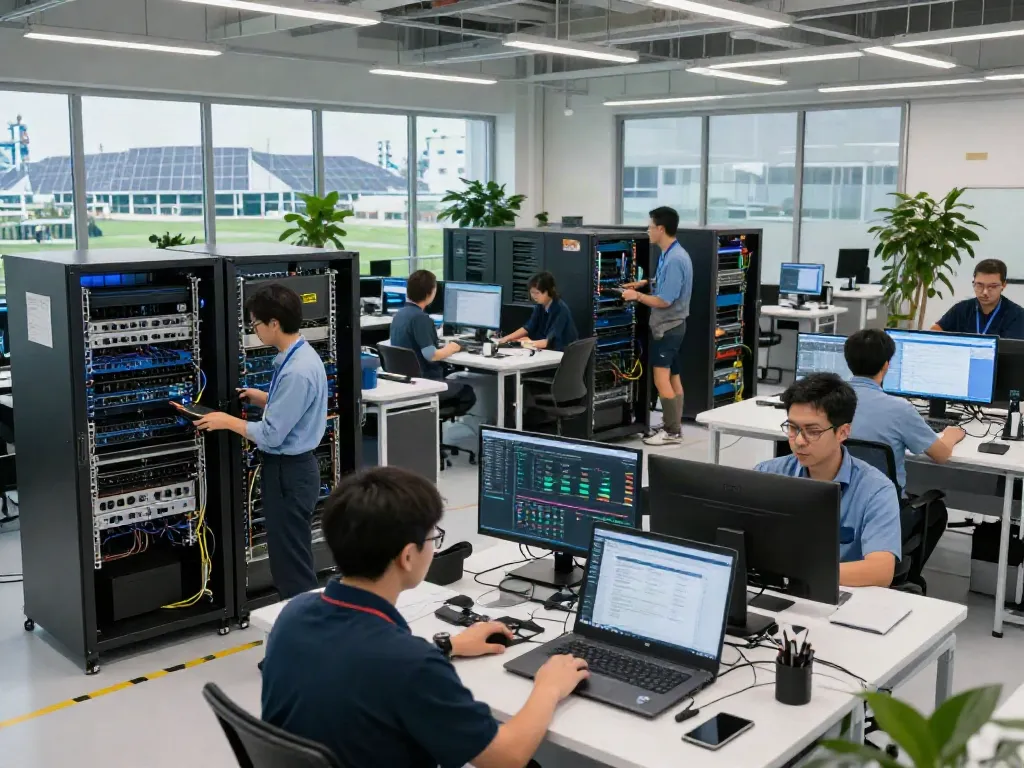
The Evolution of AI Infrastructure
The field of Artificial Intelligence (AI) has seen dramatic advancements over the past few years, leading to a robust demand for AI infrastructure. This infrastructure comprises a blend of hardware, software, and services designed to facilitate the development, deployment, and management of AI applications. Notably, power dynamics play a pivotal role in this ecosystem, influencing how AI services are delivered and scaled. As organizations increasingly seek ways to integrate AI into their operations, understanding the fundamentals of AI infrastructure becomes essential for stakeholders.
Understanding AI Infrastructure Basics
At its core, AI infrastructure refers to the foundational elements that support AI workloads, including computational resources such as GPUs, data storage solutions, and networking capabilities. These components work synergistically to enable efficient data processing, machine learning, and AI task execution. The importance of a well-structured AI infrastructure cannot be understated, as it determines the performance, scalability, and reliability of AI applications.
Key Components of AI Infrastructure
- Hardware: This includes high-performance computing systems such as CPUs and GPUs, which are critical for processing AI tasks.
- Software: A suite of tools, libraries, and frameworks like TensorFlow and PyTorch enable developers to build AI models.
- Networking: High-speed connectivity is essential for data exchange between various infrastructure components.
- Data Management: Effective storage and management solutions ensure data is accessible for training AI models.
Historical Developments in AI Infrastructure
The journey of AI infrastructure has evolved significantly from the early days of machine learning. In the initial phases, AI systems were heavily reliant on specialized hardware, primarily focused on computing power. Over time, the advent of cloud computing dramatically transformed the landscape, allowing organizations to leverage scalable resources without significant upfront investments. Furthermore, the emergence of AI as a service paved the way for broader access to powerful AI infrastructure, democratizing its usage across industries.
The Role of Power in the AI Token Economy
Power dynamics are central to optimizing AI services, influencing everything from operational costs to environmental impact. As the AI token economy continues to develop, understanding how power interacts with AI infrastructure is crucial for stakeholders aiming to maximize their investments.
Why Power Matters for AI Services
Electricity is the lifeblood of AI operations, particularly in GPU-intensive environments. The energy required to power these systems significantly affects operational costs, which in turn impacts the overall success of AI initiatives. Efficient power management strategies can lead to reduced costs and improved sustainability, making it a critical focus for organizations operating within the AI ecosystem.
Exploring Global AI Infrastructure Power Networks
Many organizations are establishing regional power networks to support their AI infrastructure needs. These networks aim to provide reliable and scalable electricity tailored to the demands of AI workloads. By connecting various power resources, AI infrastructure operators can enhance their operational capabilities and lower costs, ultimately contributing to the efficiency of the AI token economy.
Challenges in Power Allocation for AI
Despite advancements, several challenges persist in power allocation for AI. These include fluctuating energy costs, environmental regulations, and the need for sustainable energy sources. Additionally, the rapid growth of AI demands powerful infrastructure to accommodate increased workloads, pushing existing power systems to their limits.
Building an Effective AI Infrastructure
Creating an effective AI infrastructure involves strategic planning and implementation to ensure that all components work in harmony. By following a structured approach, organizations can build a resilient infrastructure capable of evolving with their AI needs.
Step-by-Step Guide to Establishing AI Infrastructure
- Assessment: Evaluate current capabilities and identify areas for improvement in existing infrastructure.
- Design: Create a blueprint incorporating hardware, software, and networking requirements.
- Implementation: Deploy systems and integrate them into existing workflows.
- Monitoring: Continuously assess performance and make necessary adjustments to optimize operations.
Best Practices for Power Management
To effectively manage power within AI infrastructure, organizations should consider the following best practices:
- Energy Efficiency: Implement energy-efficient hardware and optimize workload distribution to minimize power consumption.
- Renewable Resources: Invest in renewable energy sources to reduce carbon footprints and achieve sustainability goals.
- Real-Time Monitoring: Utilize analytics and monitoring tools to track energy usage and optimize power allocation dynamically.
Scalability Considerations for AI Services
As AI services grow, scalability becomes increasingly important. Organizations must ensure their infrastructure can accommodate increasing workloads without sacrificing performance. This includes planning for additional computing resources and power management strategies that can adapt to changing demands.
Real-World Applications and Case Studies
Numerous organizations worldwide are harnessing AI infrastructure to drive innovation across various sectors. Highlighting successful implementations can provide valuable insights for others looking to enhance their AI efforts.
Case Study: Successful AI Infrastructure Implementation
Consider a leading healthcare AI firm that integrated a comprehensive AI infrastructure to support its diagnostic solutions. By leveraging high-density computing and efficient power management, the company reduced operational costs by 30% while enhancing service delivery speed significantly. This real-world example illustrates the profound impact that well-planned AI infrastructure can have on business efficiency.
Exemplary Use Cases in Different Industries
AI infrastructure is being utilized in various sectors, including:
- Healthcare: AI algorithms analyze medical images and patient data to assist in diagnosis.
- Finance: AI systems assess risk and automate trading decisions based on real-time market data.
- Manufacturing: AI optimizes supply chain processes and predictive maintenance to enhance operational efficiency.
Lessons Learned from Infrastructure Deployments
Organizations have gained numerous insights from deploying AI infrastructure, including the importance of adaptability, the need for continual learning, and the value of collaboration between IT and operational teams. These lessons are essential for optimizing future AI initiatives.
Future Trends in AI Infrastructure for 2026 and Beyond
The next few years are poised to bring significant advancements in AI infrastructure, shaping the future of AI services and the token economy.
Innovations That Will Shape AI Infrastructure
Emerging technologies, such as quantum computing and advanced networking, are set to revolutionize AI infrastructure. These innovations can dramatically enhance processing speeds and expand the capabilities of AI applications.
Predictions for the AI Token Economy
As the AI token economy matures, it is expected to foster increased collaboration between various stakeholders, including power providers, AI developers, and end-users. This collaborative spirit will enhance the efficiency and accessibility of AI services, ultimately driving growth across industries.
Emerging Technologies in AI Infrastructure
Technologies such as edge computing and federated learning are becoming integral to AI infrastructure. These advancements will allow data processing to occur closer to the source, reducing latency and improving performance for AI applications deployed in real-time environments.
How Can Individuals Participate in the Future?
As AI infrastructure evolves, individuals will have more opportunities to participate in various capacities. Whether through educational programs, investing in infrastructure projects, or contributing to open-source AI initiatives, there are numerous pathways for engagement.
What’s Next for AI Infrastructure Development?
The future of AI infrastructure is bright, with a strong focus on sustainability, efficiency, and reliability. As organizations navigate these changes, they will be able to leverage AI not only for performance gains but also for driving meaningful societal impacts.