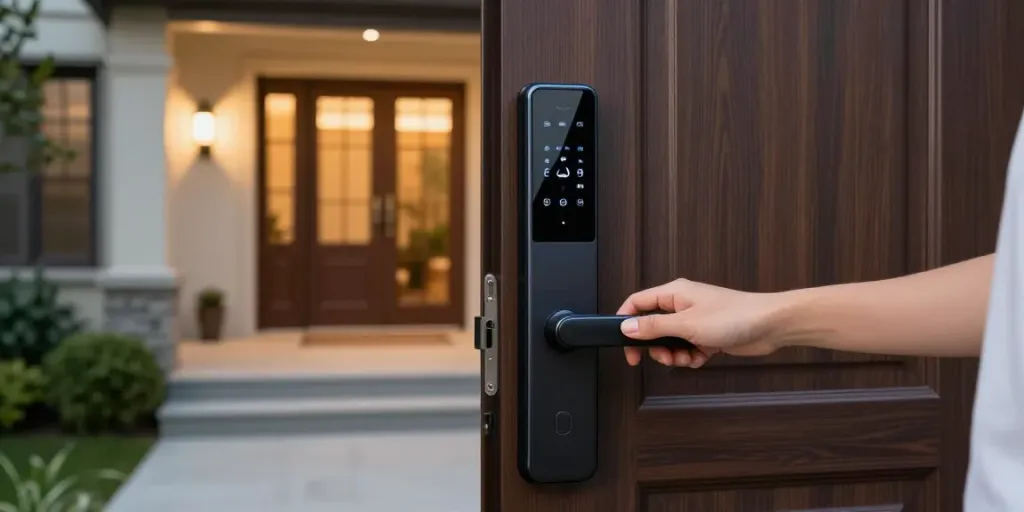
Understanding Smart Locks
In today's technological landscape, smart locks represent a significant advancement in security systems. These devices not only offer enhanced security but also provide convenience that traditional locks simply cannot match. For homeowners and businesses alike, investing in smart locking solutions is a vital step towards ensuring safety and accessibility. When exploring options, خرید قفل هوشمند can lead to a variety of choices tailored to individual needs.
What is a Smart Lock?
A smart lock is an electronic locking mechanism that allows for keyless entry. Unlike traditional locks that require physical keys, smart locks can be accessed through various methods such as smartphone apps, key codes, biometric recognition, or even remote access via the internet. This technology integrates seamlessly into modern smart homes, providing an added layer of convenience and security.
How Smart Locks Work
Smart locks operate using a combination of software and hardware features. At their core, they consist of an electronic lock that can be controlled digitally. Most smart locks connect to your home Wi-Fi network or use Bluetooth technology, enabling you to manage access remotely. For instance, you can unlock your door from your smartphone, grant temporary access to guests, and receive notifications about entry or exit activity.
Benefits of Using Smart Locks
- Enhanced Security: Smart locks often come equipped with advanced security features such as encryption and alarm systems, making them more secure than standard locks.
- Convenience: They eliminate the need for physical keys. Users can access their homes with a smartphone or biometrics.
- Remote Access: Users can lock or unlock their doors from anywhere, which is particularly useful for those who travel frequently.
- Access Control: Smart locks allow for customizable access. Homeowners can grant access to family members, guests, or service providers without having to share physical keys.
- Monitoring: Many smart locks offer tracking capabilities that log who enters and exits, providing peace of mind.
Types of Smart Locks
With the increasing demand for smart home devices, several types of smart locks have emerged, each catering to specific needs and preferences. Understanding the differences among these options can help consumers make informed decisions based on their security requirements.
Keyless Entry Systems
Keyless entry systems eliminate the need for traditional keys. These systems typically utilize keypads, where users can enter a personalized access code to unlock the door. This can be an excellent option for families with children, as codes can be easily changed without the need for new keys.
Biometric Smart Locks
Biometric locks provide high levels of security through fingerprint or facial recognition technology. These systems ensure that only registered users can access the premises, making unauthorized access almost impossible. Biometric locks are increasingly popular in commercial settings where security is paramount.
WiFi and Bluetooth Enabled Options
WiFi and Bluetooth enabled smart locks allow for remote control via smartphone applications. Users can lock or unlock their doors from anywhere in the world, provided they have internet access. These locks often integrate with other smart home devices, creating a cohesive security system that can be managed from one platform.
Choosing the Right Smart Lock
Selecting the ideal smart lock can be daunting given the variety of options available. Here are some critical factors to consider during the decision-making process.
Factors to Consider
- Security Features: Look for locks that offer strong encryption, two-factor authentication, and alarm systems.
- Compatibility: Ensure that the lock is compatible with your existing smart home systems for seamless integration.
- Power Source: Check whether the lock operates on batteries or requires a wired connection, as this can affect installation and maintenance.
- User Access: Assess how many users can access the lock and how easily permissions can be adjusted.
Price Ranges for Different Models
Smart lock prices can vary widely based on their features and technology. Basic models may start around $100, while high-end locks with biometric capabilities can exceed $500. It’s essential to balance budget considerations with the desired security features to ensure you’re making a worthwhile investment.
Brand Comparisons and Recommendations
Popular brands such as August, Schlage, and Kwikset offer a variety of smart lock options. Researching user reviews, warranty offerings, and customer support services can guide you in making an informed choice.
Installation and Maintenance
Proper installation and maintenance are key to ensuring the longevity and reliability of smart locks. Here’s a step-by-step guide to help you through the process.
Step-by-Step Installation Guide
- Gather Tools: Ensure you have all necessary tools, including a screwdriver, drill, and any specific hardware that comes with your smart lock.
- Remove Old Lock: Carefully take off the existing lock and assess the door for necessary adjustments.
- Install Smart Lock: Follow the manufacturer’s instructions for installing your new smart lock, ensuring all components are securely fastened.
- Connect to Wi-Fi: Once installed, connect your smart lock to your home Wi-Fi network as per the provided guide.
- Set Up User Profiles: Create user profiles for individuals who will have access to the lock, adjusting permissions as needed.
Common Issues and Troubleshooting
Some common issues may include connectivity problems, battery depletion, or failure to respond to commands. Regularly checking the battery levels and ensuring that your lock’s firmware is up-to-date can often resolve these problems.
Maintenance Tips for Longevity
- Regularly check the lock for any signs of wear or malfunction.
- Keep the lock clean and free from dust and debris.
- Update the firmware as new updates are released to maintain security features.
Future Trends in Smart Lock Technology
The smart lock industry is evolving rapidly, with new technologies emerging regularly. Understanding these trends can help you stay ahead in securing your property.
Emerging Features to Look For
As technology advances, expect to see features like advanced biometrics, integration with AI for enhanced security analysis, and improved battery life in smart locks. These features will not only improve usability but also increase overall security.
The Role of Smart Home Integration
Future smart locks will likely integrate more seamlessly with smart home ecosystems, allowing for synchronized actions across devices. For example, unlocking your door could trigger your security cameras to begin recording, providing a comprehensive security solution.
Predictions for 2026 and Beyond
By 2026, smart locks are expected to become more intelligent, with predictive capabilities that can learn user habits. Enhanced compatibility with various platforms will lead to more unified control over home security systems, making them easier to manage.