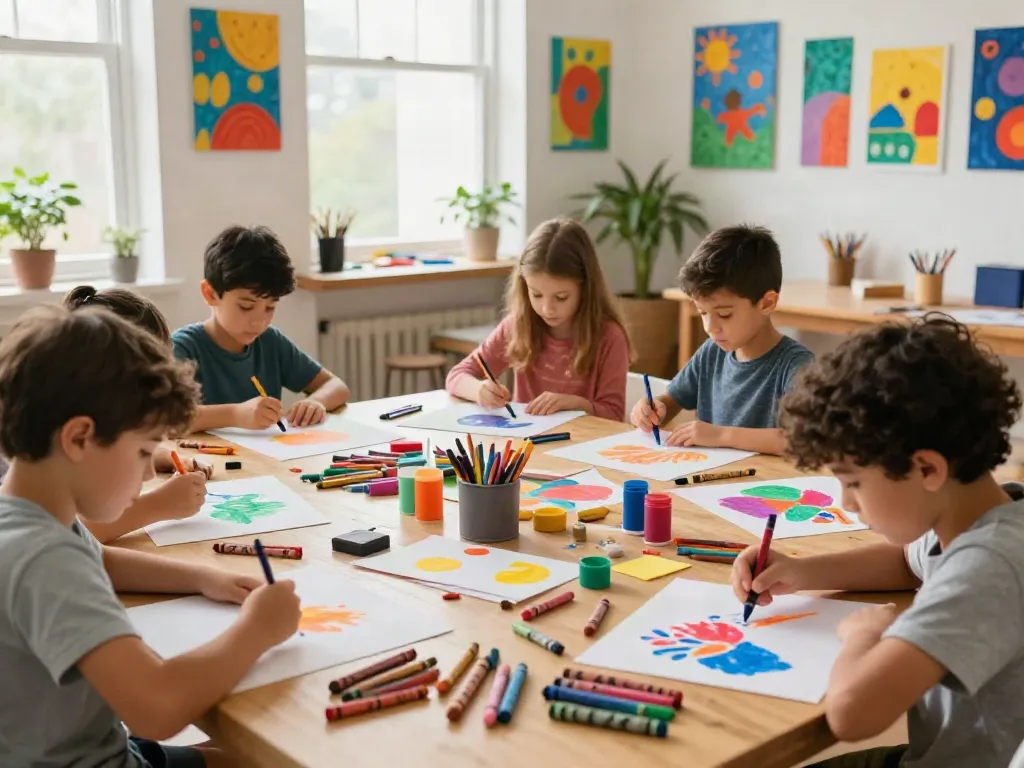
Understanding Crayon Manufacturers and Their Products
Crayons have been a staple in classrooms and art studios for generations, serving as the ultimate gateway for creative expression among children and adults alike. In 2026, the demand for high-quality, diverse crayon products is at an all-time high, compelling many to explore the offerings of reputable crayon manufacturers. From traditional wax crayons to innovative eco-friendly options, understanding the different types of crayons available is essential for educators, parents, and artists to enhance creativity and learning.
Different Types of Crayons Offered by Manufacturers
Crayon manufacturers provide a wide array of crayon types, each catering to specific needs and preferences:
- Wax Crayons: These are the classic choice for many, known for their vibrant colors and ease of use. They are often the most economical option, making them ideal for classrooms.
- Plastic Crayons: These crayons can be molded into various shapes, offering unique artistic opportunities. They are durable and can be used on a variety of surfaces.
- Fabric Crayons: Designed for use on textiles, fabric crayons create washable designs that withstand multiple washes without fading, making them perfect for creative projects on clothing and accessories.
- Beeswax Crayons: An eco-friendly alternative, beeswax crayons are made from natural wax and pigments. They are less toxic and often preferred by parents concerned about environmental impact.
Quality Standards in Crayon Manufacturing
Quality is paramount in crayon production, as it directly affects the safety and usability of the product. Manufacturers must adhere to various safety and quality standards, ensuring that their crayons are non-toxic and safe for all ages. For example, the ASTM D4236 standard in the United States requires that all art materials be labeled appropriately to inform consumers about potential hazards. Furthermore, testing for pigment durability and washability is vital, especially for fabric crayons.
How Crayon Manufacturers Cater to Different Markets
The versatility of crayon manufacturers allows them to serve different demographics effectively. Schools often favor bulk purchases of wax crayons due to their affordability and reliability. On the other hand, artists may seek out specialty crayons that offer unique colors and textures. Moreover, manufacturers are increasingly responding to the environmental concerns of consumers by offering a range of eco-friendly crayons that align with sustainable practices.
Benefits of Using Quality Crayons for Art Projects
Utilizing high-quality crayons can significantly enhance the artistic experience for both children and adults. The right tools not only improve the quality of the artwork produced but also provide a more enjoyable experience overall.
Why Material Matters: Wax vs. Beeswax Crayons
Choosing the right crayon material can greatly influence the outcome of an art project. Wax crayons are known for their affordability and range of colors, while beeswax crayons provide a smoother application and are less likely to break. Artists may prefer beeswax crayons for their vibrant hues and eco-friendly properties, making them suitable for conscious consumers who prioritize sustainability.
Exploring the Benefits of Fabric Crayons for Art Education
Fabric crayons open a new dimension in art education. They allow students to apply their creative skills to textiles, fostering a deeper understanding of color theory and design principles. Teachers can incorporate fabric crayons into projects where students personalize t-shirts or bags, giving them a sense of ownership and pride in their work. These projects also enhance fine motor skills as students learn to control the application of color on varied surfaces.
The Environmental Impact of Eco-Friendly Crayon Options
As the world moves toward sustainable living, the demand for eco-friendly crayon options has surged. Many manufacturers now focus on producing crayons from natural materials that minimize environmental impact. Beeswax and soy-based crayons not only reduce toxicity but also promote sustainable agricultural practices. This shift not only benefits the environment but also encourages young artists to be more conscious of their choices.
How to Choose the Right Crayon Manufacturer
With various manufacturers available, selecting the right crayon supplier can be a daunting task. Various factors come into play when making this decision, including quality, price, and the reliability of supply.
Assessing Quality vs. Price: What to Look For
When evaluating crayon manufacturers, balancing quality and price is crucial. While cheaper crayons may save money initially, they can lack durability and vibrancy, leading to dissatisfaction. It’s advisable to invest in reputable brands that offer reliable quality, as this will lead to better artistic outcomes and satisfaction for educators and students alike.
Understanding Minimum Order Quantities and Supplier Relationships
Another essential factor to consider is the minimum order quantity (MOQ). Understanding a manufacturer’s MOQ can help avoid over-purchasing and waste. Many crayon manufacturers offer flexible ordering options to accommodate the diverse needs of schools and art programs. Establishing a good relationship with suppliers can also ensure ongoing support, timely delivery, and the possibility of custom formulations.
Evaluating Manufacturer Reputation and Customer Reviews
Reputation plays a significant role in selecting a crayon manufacturer. Checking customer reviews and testimonials can provide insight into the product quality and service reliability. Reputable manufacturers often showcase their certifications and compliance with safety standards, further assuring potential buyers of their commitment to quality.
Innovations in Crayon Production and Design
The world of crayon manufacturing is evolving, with innovations improving production processes and product design.
Emerging Trends in Crayon Formats and Shapes
Manufacturers are increasingly experimenting with crayon shapes and formats to enhance creativity. Triangular and circular crayons are designed for ergonomic handling, helping younger artists grip them more easily. Additionally, novelty shapes can make the drawing experience more engaging, encouraging children to explore their artistic potential.
Technological Advances in Non-Toxic Crayon Manufacturing
Advancements in technology are allowing crayon manufacturers to produce non-toxic crayons without compromising color quality. Techniques that involve using natural dyes and organic materials not only meet safety standards but also appeal to environmentally conscious consumers. This innovation addresses growing health concerns and empowers parents to feel confident in their children's art supplies.
Future of Sustainable Crayon Products in 2026
Looking forward, the future of crayon manufacturing will likely see an increased focus on sustainability. Manufacturers are expected to invest more in biodegradable materials and processes that reduce environmental impact. Furthermore, as consumer awareness grows, the demand for transparency in sourcing and production will influence manufacturers' practices to adopt more sustainable methods. This trend will likely shape the landscape of art supplies for years to come.
Maximizing Creativity with Crayons in Arts and Crafts
Quality crayons can serve as powerful tools for creativity in various arts and crafts projects. Both educators and parents can implement strategies to maximize the artistic potential of crayons.
Creative Techniques for Kids: Using Crayons Effectively
Encouraging kids to experiment with different techniques using crayons can elevate their creative skills. Techniques such as layering colors, creating textures by rubbing, or even melting crayons for unique effects can result in stunning artwork. Workshops can be organized in schools to teach these methods, making art education more engaging and fun.
Incorporating Crayons in DIY Projects for All Ages
Crayons can also be integrated into a variety of DIY projects, suitable for all age groups. For instance, adults can create art pieces by melting crayons on canvas or using them in mixed media crafts. Families can work on projects together, such as making homemade greeting cards or decorative items, fostering collaboration and creativity.
Case Studies: Successful Educational Programs Using Crayons
Many educational programs have successfully incorporated crayons into their curriculum to promote creativity and learning. For example, art therapy programs utilize crayons as a medium to facilitate expression among children facing emotional challenges. Schools that integrate art with traditional subjects often see improved engagement and retention of material, highlighting crayons' role in holistic education.
What Are the Best Crayon Brands in 2026?
The landscape of crayon brands is continually evolving, with a few names consistently standing out. Brands like Crayola, Faber-Castell, and emerging eco-friendly brands are popular among consumers for their quality and innovation. As trends lean toward sustainability, consumers are likely to favor brands that prioritize eco-friendly materials and practices.
Where to Find the Best Discount Crayon Manufacturers?
Finding affordable crayon manufacturers doesn’t have to be a challenge. Online platforms, educational supply stores, and local suppliers often offer bulk discounts and promotional deals. Comparing prices and quality from various suppliers can ensure that educators and parents get the best value for their money.
How to Ensure Safety in Crayon Use for Young Artists?
Ensuring safety when using crayons is paramount, especially for younger artists. Choosing crayons that are labeled non-toxic and free from harmful chemicals is essential. Educators can also create a safe environment by supervising young children during art projects, ensuring they use materials correctly and safely.
What Types of Crayons Are Best for School Supply Lists?
The best crayons for school supply lists typically include a mixture of wax and fabric crayons. Wax crayons are well-suited for general use in drawing and coloring, while fabric crayons can encourage creative projects that integrate textiles into learning. Educators should consider the age and skill level of their students when compiling supply lists to ensure they include appropriate options.
How Are Crayons Made? A Look at the Manufacturing Process?
The manufacturing process for crayons involves several steps, beginning with the mixing of wax and pigments. Once combined, the mixture is heated, poured into molds, and cooled to set. Post-production, crayons are inspected for quality before being packaged. Understanding this process can appreciate the craftsmanship that goes into creating quality art supplies.
What Are the Environmental Practices of Major Crayon Manufacturers?
Many major manufacturers are adopting environmentally friendly practices by sourcing sustainable materials and minimizing waste in their production processes. Brands that prioritize transparency in their sourcing and production tend to gain consumer trust and loyalty. Engaging with a manufacturer that aligns with one’s values can create a more meaningful connection to the products used.