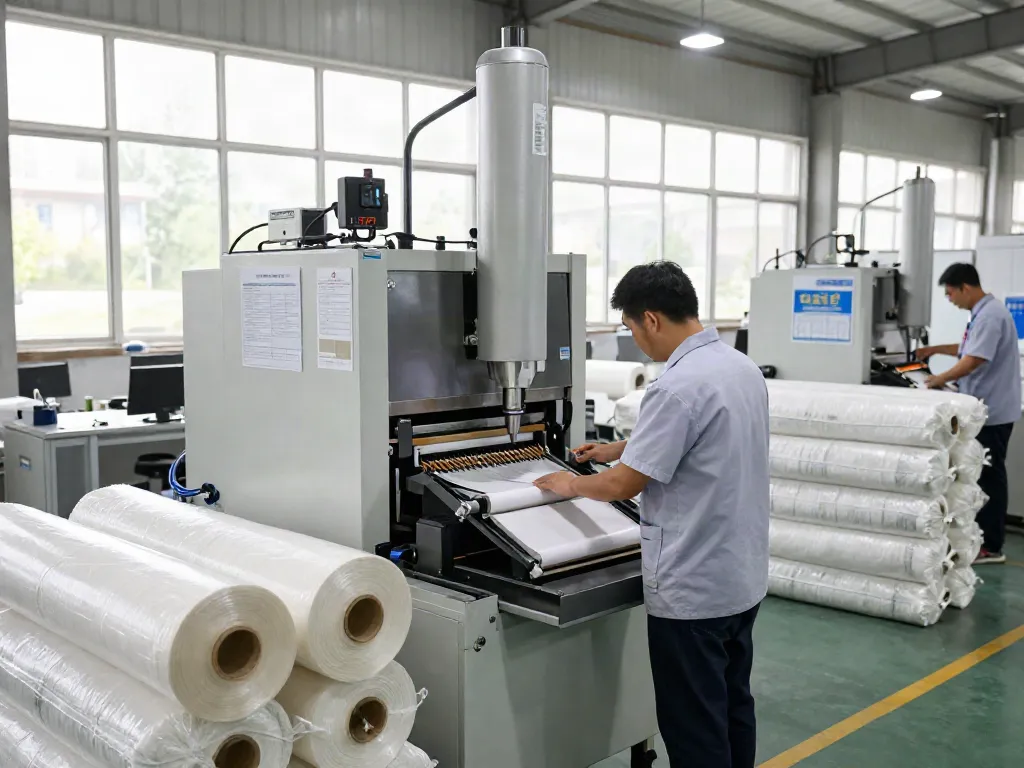
Understanding Customized Packaging Solutions
In today’s competitive marketplace, businesses are continually seeking innovative ways to enhance their operations and increase their efficiency. One area that has gained significant attention is packaging, particularly customized packaging solutions. These tailored systems are designed not only to meet the unique demands of various products but also to improve supply chain efficiency and maintain a brand's integrity throughout distribution. With advancements in technology and materials, the scope of customized packaging has expanded dramatically, catering to the specific requirements of diverse industries.
For businesses investing in such tailored solutions, understanding the nuances and capabilities of these systems can prove invaluable. When exploring options, customized packaging solutions provide comprehensive insights into how to optimize packaging processes, effectively aligning with operational goals.
What Are Customized Packaging Solutions?
Customized packaging solutions refer to tailored systems designed to meet the specific needs of a product, industry, or brand. Unlike standard packaging, these solutions take into account various factors, such as the type of product, shipping requirements, and branding needs. For example, a manufacturer dealing with fragile items may require cushioned packaging to prevent damage during transit, whereas a food packaging company might focus on hygiene and preservation features.
These solutions can encompass a wide range of packaging types, including:
- Open-mouth bagging machines
- Form-fill-seal (FFS) packaging lines
- Custom containers and boxes
- Flexible packaging materials
By concentrating on product-specific requirements, customized packaging helps in enhancing customer satisfaction and reducing waste, thereby creating a more sustainable operation.
Benefits of Tailored Packaging for Your Business
The advantages of implementing customized packaging solutions extend beyond mere aesthetics. They include:
- Improved Brand Recognition: Customized packaging allows businesses to showcase their brand identity through unique design elements, colors, and logos.
- Enhanced Product Protection: Tailored solutions can be designed to safeguard products from various environmental factors, including moisture, temperature fluctuations, and physical stress.
- Increased Operational Efficiency: By optimizing packaging processes, businesses can streamline their supply chain, reducing labor costs and minimizing material waste.
- Better Customer Experience: A well-designed packaging solution can enhance the unboxing experience, fostering customer loyalty and encouraging repeat business.
Overall, customized packaging serves as a strategic tool for businesses to stand out in a crowded market while maintaining operational effectiveness.
Key Components of a Customized Packaging System
Creating an effective customized packaging solution entails various components that work together to fulfill operational requirements. Some of the fundamental elements include:
- Material Selection: Choosing the right materials based on the product's characteristics, such as weight, fragility, and perishability.
- Design and Aesthetics: Collaborating with design teams to ensure the packaging aligns with branding strategies and resonates with target audiences.
- Technology Integration: Utilizing state-of-the-art machinery and technologies to streamline the packaging process, such as automation and digital printing techniques.
- Regulatory Compliance: Ensuring that the packaging meets all industry-related regulations and standards, particularly for sensitive products like food and pharmaceuticals.
By assessing these components meticulously, businesses can devise customized packaging solutions that not only fulfill logistics needs but also enhance their market presence.
Challenges in Implementing Customized Solutions
While the benefits of customized packaging are substantial, businesses often face several challenges in the implementation process. Recognizing these barriers is essential for successful integration.
Common Obstacles in Packaging Customization
Some of the prevalent obstacles businesses encounter when adopting customized packaging solutions include:
- Budget Constraints: Tailored packaging solutions can sometimes require significant upfront investment, which may deter businesses, especially smaller ones.
- Complex Supply Chains: Integrating new packaging solutions into existing logistics systems can be complicated, particularly in multinational operations.
- Time-Consuming Processes: The development and design of customized packaging may lengthen the time-to-market for products, posing an obstacle in fast-paced industries.
Identifying these challenges early on can help businesses strategize effectively, finding solutions that work within their constraints while still pushing for innovation.
Addressing Cost Concerns and Budgeting
Cost is a major factor for many organizations when considering customized packaging solutions. To effectively manage budgeting concerns, businesses should:
- Conduct a thorough cost-benefit analysis to understand the long-term savings resulting from efficiency improvements.
- Explore various material options that balance quality and affordability.
- Work with experienced manufacturers who can offer flexible pricing models and scalable solutions.
By addressing these cost concerns, businesses can mitigate risks associated with financial investment in customized packaging.
Managing Change and Training Staff Effectively
Implementing customized packaging often necessitates changes to existing workflows, which can be met with resistance from staff. To facilitate smooth transitions, businesses should:
- Engage employees in the planning process to encourage buy-in and gather insights from those who will be using the packaging solutions.
- Provide comprehensive training programs on new processes and technologies utilized in packaging.
- Establish feedback loops to continually improve packaging solutions based on staff experience and suggestions.
Effective change management and training can lead to a more adept workforce that embraces new packaging technologies and processes.
Best Practices for Custom Packaging Solutions
To maximize the effectiveness of customized packaging solutions, businesses can adopt several best practices. These principles help ensure that packaging systems are both efficient and effective.
Identifying Your Unique Packaging Needs
The first step toward developing a customized packaging solution is thoroughly understanding your specific packaging needs. This includes:
- Analyzing product characteristics and determining the ideal protective features required.
- Researching market trends to align packaging aesthetics with customer preferences.
- Identifying logistical requirements that will influence packaging design and material choices.
By taking a comprehensive approach to identifying unique needs, businesses can create a more tailored packaging experience.
Choosing the Right Materials and Technology
The materials and technology selected for customized packaging play a crucial role in its success. Businesses should focus on:
- Utilizing sustainable materials whenever possible to appeal to environmentally-conscious consumers.
- Investing in modern packaging technologies that promote efficiency, such as automation and smart embedding.
- Working closely with suppliers to ensure the selected materials are compatible with the machinery and processes employed.
Choosing the right combination of materials and technology can significantly enhance the overall effectiveness of customized packaging solutions.
Optimizing Workflow for Efficiency
Streamlining packaging operations can lead to notable improvements in efficiency and cost savings. Businesses can optimize workflow by:
- Implementing lean manufacturing principles to reduce waste and promote a culture of continuous improvement.
- Utilizing software solutions that track and analyze packaging operations in real-time.
- Conducting regular audits of packaging processes to identify bottlenecks and areas for improvement.
By focusing on workflow optimization, businesses can create a more agile and responsive packaging operation.
Case Studies: Success Stories in Customized Packaging
Examining real-world applications of customized packaging solutions can provide invaluable insights into their effectiveness. Below are success stories illustrating how tailored packaging has transformed operations.
Real-World Applications of Customized Solutions
A notable success story comes from a leading food production company that faced challenges with product spoilage during transit. By collaborating with a specialized packaging manufacturer, they developed a customized solution that utilized breathable materials to extend shelf life while maintaining freshness. The result was a significant reduction in spoilage rates and increased customer satisfaction.
Another example involves a cosmetics brand that aimed to enhance the luxury feel of its products. They adopted custom-designed packaging that featured intricate designs and high-quality materials, leading to an elevated brand perception and a substantial increase in sales.
Measuring Success: Key Performance Indicators
To evaluate the success of customized packaging initiatives, businesses should focus on relevant key performance indicators (KPIs), such as:
- Reduction in packaging waste and costs
- Improvement in sales and customer retention
- Operational efficiencies gained through streamlined workflows
- Customer feedback and satisfaction scores
Monitoring these KPIs allows businesses to make informed decisions about future packaging strategies and investments.
Learning from Industry Leaders in Packaging
It is essential for businesses looking to integrate customized packaging solutions to learn from industry leaders. By analyzing the strategies of successful companies, businesses can adopt best practices, adapt innovative ideas, and avoid common pitfalls. Networking through industry conferences and engaging with packaging experts can also facilitate knowledge-sharing opportunities that drive success.
Future Trends in Customized Packaging Solutions
The landscape of customized packaging solutions is continually evolving, shaped by emerging technologies and changing consumer demands. Understanding these trends is essential for businesses looking to stay ahead of the curve.
Emerging Technologies Shaping the Packaging Industry
Technological advancements are transforming packaging in numerous ways. Key trends include:
- Smart Packaging: The rise of IoT technology enables packaging to communicate with consumers, providing information on freshness or usage instructions.
- Automation and Robotics: Automation in packaging processes enhances speed, accuracy, and reduces labor costs significantly.
- 3D Printing: This technology allows for rapid prototyping of packaging designs, enabling faster iterations and reduced time-to-market.
Businesses that embrace these technological innovations can gain a competitive advantage and better meet the expectations of modern consumers.
Environmental Considerations and Sustainability
As sustainability becomes an increasing priority for consumers, businesses must consider the environmental impact of their packaging solutions. Key areas to focus on include:
- Developing biodegradable or recyclable packaging materials.
- Reducing overall packaging volumes to minimize waste.
- Implementing efficient processes that reduce carbon footprints during production and distribution.
By aligning packaging strategies with sustainable practices, businesses can enhance their reputation and appeal to eco-conscious consumers.
Looking Ahead: Predictions for 2026 and Beyond
As we look ahead to 2026, customized packaging solutions are poised to become even more integral to business success. Predictions include:
- Increased personalization in packaging to cater specifically to customer preferences and enhance brand loyalty.
- Growing reliance on data analytics to drive packaging decisions, optimizing for both cost and performance.
- A shift towards transparency in packaging, where materials and processes are openly communicated to build trust with consumers.
Being proactive in adopting these emerging predictions can set businesses on a path toward sustainable growth and success.
How can I create my own custom packaging?
Creating custom packaging involves detailed planning and collaboration with experienced manufacturers. Start by defining your product's needs, researching suppliers, and involving design teams early in the process.
What are the top benefits of customized packaging solutions?
Customized packaging solutions enhance brand recognition, improve product protection, increase operational efficiency, and enhance customer experience.
How do I find a manufacturer for customized packaging?
Finding the right manufacturer involves researching suppliers that specialize in your type of packaging, reviewing their case studies, and seeking quotes tailored to your specific needs.
What are the common materials used in custom packaging?
Common materials include cardboard, plastic, biodegradable substances, and foams, each selected based on the product's requirements and sustainability goals.
How to evaluate the success of my packaging initiatives?
Success can be evaluated through key performance indicators, customer feedback, and comparing pre- and post-implementation outcomes to measure improvements and ROI.