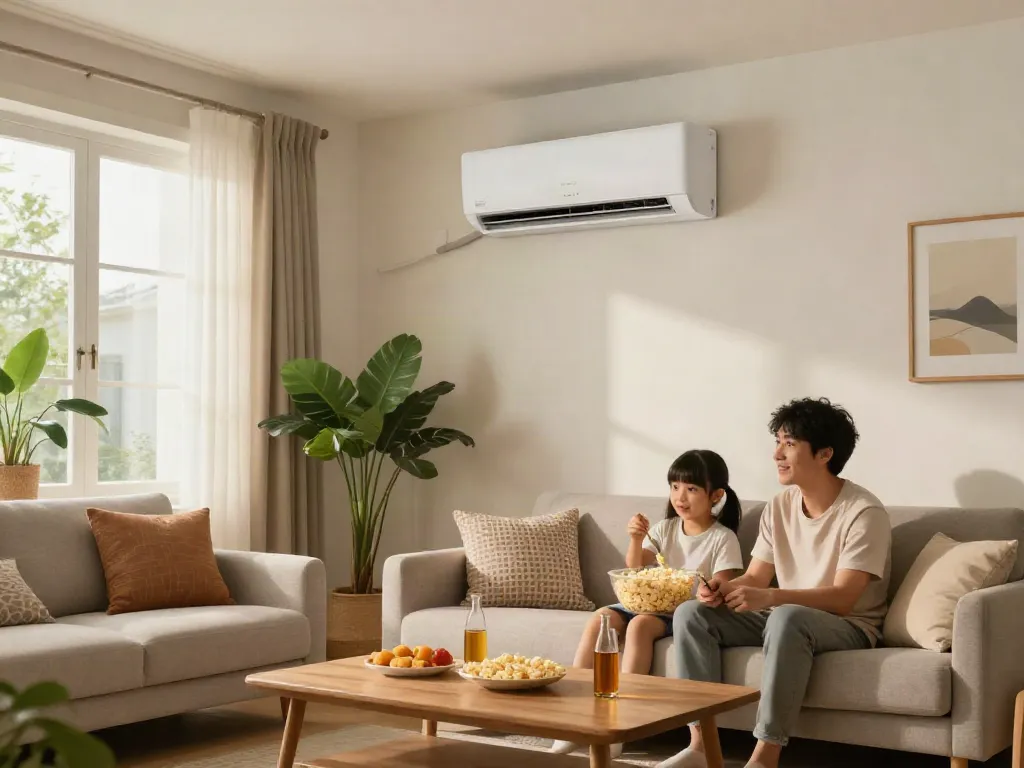
Understanding Mini Split Systems
As homeowners look for efficient climate control solutions, mini split systems have emerged as a popular choice due to their versatility and effectiveness. These ductless systems are designed to offer both heating and cooling capabilities, making them suitable for a variety of residential applications. In this comprehensive guide, we will explore the intricacies of mini split systems, including their components, functionality, and the myriad benefits they offer.
What is a Mini Split Air Conditioner?
A mini split air conditioner, also known as a ductless system, operates without the need for ductwork, allowing for more flexible installation and efficient energy usage. It consists of two main components: an outdoor unit that houses the compressor and condenser, and one or more indoor units that distribute conditioned air throughout the space. This design allows homeowners to achieve targeted temperature control in specific rooms, making mini splits an attractive alternative to traditional HVAC systems.
Components of a Mini Split System
Understanding a mini split system's components is crucial for effective operation and maintenance. The primary elements include:
- Outdoor Unit: Contains the compressor and condenser, which are responsible for transferring heat to and from the home.
- Indoor Unit: The evaporator that distributes cooled or heated air into the living space, often designed for wall-mounted or ceiling installation.
- Refrigerant Lines: Connects the indoor and outdoor units, allowing the refrigerant to circulate and facilitate heat exchange.
- Thermostat: Controls the temperature setting and efficiency of the system, with some models offering smart home integration.
How Mini Splits Work for Efficient Cooling and Heating
Mini split systems operate using a principle known as heat pump technology. During cooling mode, the indoor unit absorbs heat from the room and expels it outside, while in heating mode, it reverses the process, drawing heat from outside air to warm the interior. This dual capability offers enhanced energy efficiency, especially in regions with moderate climate fluctuations, as they can effectively provide heating and cooling without the energy loss associated with traditional ducted systems.
Benefits of Mini Split Air Conditioners
Energy Efficiency and Cost Savings
One of the most significant advantages of mini split systems is their energy efficiency. Most units operate with high Seasonal Energy Efficiency Ratios (SEER), often exceeding 20 SEER. This high efficiency translates into lower electricity bills, making them a cost-effective choice for homeowners. Additionally, because they only condition the rooms being used, there is no wasted energy cooling or heating unoccupied spaces.
Installation Flexibility in Various Spaces
Mini splits are renowned for their flexible installation options. They do not require ductwork, which simplifies the installation process and reduces associated costs. This flexibility allows for installation in a variety of settings, such as:
- New construction and renovations
- Areas without existing ductwork
- Supplementing an existing HVAC system
- Commercial spaces that require specialized zoning
Enhanced Comfort and Control for Homeowners
Mini split systems provide precise temperature control, allowing homeowners to adjust settings for individual rooms. This zoned heating and cooling capability enhances comfort while optimizing energy usage. Many systems also feature programmable thermostats and smart technology compatibility, enabling remote control and automation, which further enhances convenience for users.
Choosing the Right Mini Split for Your Home
Factors to Consider When Selecting a Mini Split
Finding the right mini split system involves considering several factors, including:
- Size and Capacity: Proper sizing is critical for effectiveness; a unit that is too small will struggle to cool or heat a space, while an oversized unit will cycle on and off excessively.
- Efficiency Ratings: Look for models with high SEER ratings to ensure energy savings.
- Noise Levels: Consider the decibel (dB) levels of indoor units, especially for bedrooms or quiet spaces.
- Installation Type: Assess whether you want wall-mounted, ceiling-mounted, or freestanding units based on your space configuration.
Top Brands and Models for 2026
As the HVAC industry evolves, several brands remain at the forefront of mini split technology. Some top choices for 2026 include:
- LG: Known for advanced technology and high-efficiency models.
- Mitsubishi Electric: Offers reliable systems with excellent performance and multi-zone capabilities.
- Fujitsu: Renowned for quiet operation and durability.
Comparative Analysis of Mini Split Systems
When comparing mini split systems, consider the following criteria:
- Initial Costs: Evaluate the upfront costs of different models, including installation fees.
- Operating Costs: Analyze energy efficiency and expected utility costs based on local rates.
- Warranty and Customer Support: Investigate warranty offerings and the reputation of the manufacturer for customer service.
Installation and Maintenance Tips
Step-by-Step Guide to Installing a Mini Split
Installing a mini split requires careful planning and execution. Here’s a brief overview of the steps involved:
- Choose the placement of the indoor and outdoor units, ensuring accessibility and appropriate spacing.
- Install the mounting bracket for the indoor unit securely to the wall.
- Drill a hole for the refrigerant lines between the indoor and outdoor units.
- Connect the refrigerant lines and electrical wiring, ensuring proper insulation and sealing.
- Mount the outdoor unit, connect it to power, and ensure proper drainage.
- Test the system to verify operation and make necessary adjustments.
Common Maintenance Practices for Longevity
To ensure optimal performance and longevity of your mini split system, follow these maintenance practices:
- Clean or replace filters every 1–3 months.
- Inspect outdoor units for debris and ensure proper airflow.
- Schedule annual professional maintenance to check refrigerant levels and inspect components.
When to Call a Professional for Repairs
While many minor issues can be resolved with simple troubleshooting, there are times when calling a professional is necessary:
- If you notice a significant drop in cooling/heating efficiency.
- Unusual noises coming from the units.
- Signs of refrigerant leaks or electrical issues.
Future Trends in HVAC and Mini Split Technology
Innovations in Energy-Efficient Systems
The HVAC landscape is continuously changing, with innovations aimed at enhancing energy efficiency. Mini splits are increasingly utilizing variable-speed compressors and inverter technology, allowing them to adjust power consumption based on the heating or cooling demand.
Smart Home Integration and Control Options
As smart home technology advances, mini split systems are becoming more integrated with home automation systems. Features such as remote access, programmable scheduling, and energy monitoring through smartphone apps are enhancing user control and convenience.
Predictions for the HVAC Industry in 2026
Looking ahead, the HVAC industry is expected to see growing demand for energy-efficient solutions driven by consumer awareness and regulatory changes. Mini split systems will likely continue to gain popularity as homeowners seek environmentally-friendly options combined with high performance and low operating costs.