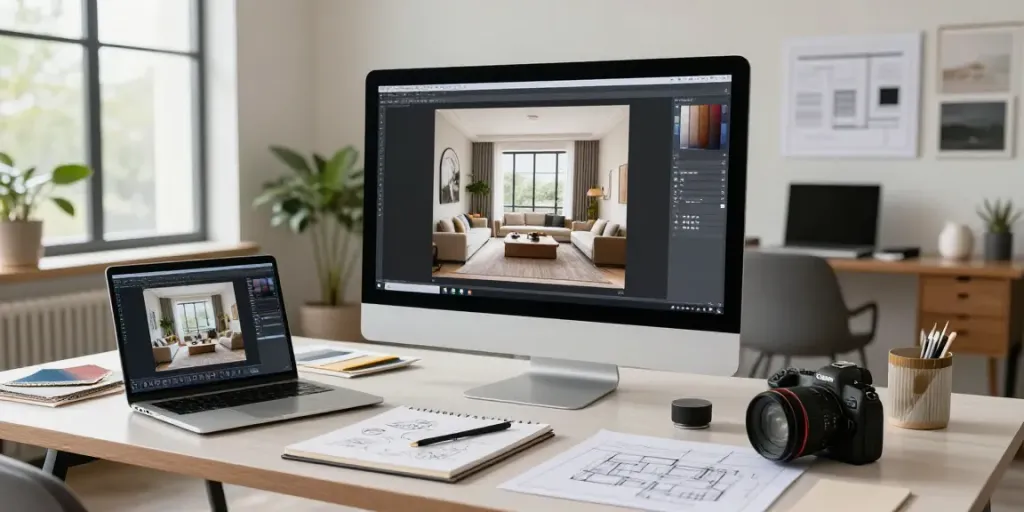
Understanding Photorealistic Home Rendering
In the realm of architectural visualization, photorealistic home rendering has emerged as a powerful tool for interior designers. This technology allows designers to present their visions with astonishing realism, facilitating clear communication with clients and stakeholders. By creating lifelike representations of spaces, designers can not only explain their ideas more effectively but also enhance decision-making processes. As we delve deeper into this subject, we will explore the essence of photorealistic home rendering, its benefits, and the key techniques involved.
What is Photorealistic Home Rendering?
Photorealistic home rendering is a technique used to create highly detailed and realistic 3D images of architectural designs. Unlike traditional 2D drawings, photorealistic renders simulate real-world lighting, materials, textures, and spatial compositions. This process often involves the use of advanced software tools that incorporate various elements, such as environmental settings, shadows, and reflections, to produce images that closely resemble real-life photographs.
The outcome of such rendering is not only visually appealing but also functional. It helps stakeholders visualize the end product before any construction begins, thereby reducing misunderstandings and the risk of costly revisions.
Benefits of Using Photorealistic Renderings
The adoption of photorealistic rendering provides numerous advantages for interior designers, including:
- Improved Client Communication: Renderings serve as a universal language, helping clients and non-technical stakeholders understand the proposed designs better.
- Faster Approval Processes: When clients can visually grasp a design concept, they are more likely to provide quicker feedback and approvals.
- Enhanced Marketing Efforts: High-quality renderings can be utilized in promotional materials, attracting potential clients and investors.
- Reduced Revisions: Clear visualizations minimize the likelihood of substantial changes during the construction phase.
Key Techniques for Effective Renderings
To achieve high-quality photorealistic renderings, several techniques are employed:
- Detailed 3D Modeling: Accurate modeling lays the foundation for all subsequent rendering processes. Each element must be meticulously crafted to reflect real-world dimensions and proportions.
- Advanced Lighting Techniques: The use of artificial and natural light sources adds depth and realism to the render. Techniques such as HDRI (High Dynamic Range Imaging) are used to simulate realistic lighting conditions.
- Material Properties: Applying real-world texture maps and materials ensures that surfaces appear authentic, capturing how they interact with light and shadow.
- Post-Processing: This involves using software to enhance the final images, adding effects like depth of field, color correction, and other visual tweaks to further refine the output.
Top 3D Architectural Visualization Companies
With the growing demand for high-quality visualizations, several companies have distinguished themselves in the field of 3D architectural rendering.
AIMIR CG: Overview and Strengths
AIMIR CG stands out as a leader in the 3D architectural visualization industry, particularly known for its dedication to photorealistic home rendering. With over 20 years of experience, AIMIR CG has cultivated a reputation for delivering exceptional visual quality aligned with the specific needs of interior designers. Their team of skilled artists specializes in crafting detailed renderings that accurately capture the essence of a designer's vision. AIMIR CG's systematic quality control process ensures that every image meets the highest professional standards, from initial concept to final delivery.
Omega Render: Focus on Cinematic Storytelling
Omega Render is renowned for its unique approach to 3D visualization, focusing on cinematic storytelling. This company excels in transforming static designs into vivid and emotionally engaging narratives through the use of advanced lighting and camera techniques. Omega Render's specialization in high-end architectural animations and mood-driven visuals makes it a perfect partner for luxury projects that demand artistic storytelling and emotional engagement.
Render3DQuick: Speed and Efficiency
For those prioritizing speed and efficiency, Render3DQuick is a strong contender. Known for its fast turnaround times, this studio offers a streamlined process that caters to clients with tight deadlines. While the emphasis is on quick delivery, Render3DQuick maintains quality by utilizing established workflows that balance speed with visual integrity, making it ideal for straightforward, high-volume projects.
How to Choose the Right 3D Rendering Company
Selecting the right 3D rendering partner is crucial for the success of any interior design project. Here are key considerations to keep in mind:
Defining Your Project Goals and Budget
Before engaging with a rendering company, outline your project objectives, including desired quality, turnaround time, and budget constraints. Understanding these criteria will help narrow down your options and ensure that the selected studio can meet your specific needs.
Evaluating Portfolio and Experience
Review the portfolios of potential rendering companies to assess their style, quality, and versatility. Look for previous work that aligns with your vision and requirements. Understanding their experience in similar projects can provide insights into their capability to deliver what you need.
Assessing Communication and Workflow
Effective communication is vital for a successful collaboration. Ensure that the rendering company has a clear workflow and is willing to provide regular updates throughout the project. This transparency fosters a productive working relationship and helps avoid misunderstandings.
Cost Factors in Photorealistic Home Rendering
Understanding the cost structure of 3D rendering services can help you prepare a realistic budget for your project.
Understanding Pricing Structures
3D rendering costs can vary significantly based on several factors. Different companies may have unique pricing models, including per image, hourly rates, or package deals. Familiarizing yourself with these can help you select the best option for your budget.
Common Cost Influencers in 3D Rendering
A number of elements influence the price of rendering services:
- Project Size and Complexity: Larger or more complex projects require more extensive modeling and rendering time, increasing costs.
- Number of Views: The total number of rendered images or animations also affects the budget. More views mean more work and higher costs.
- Realism Level: The desire for more photorealistic results, with intricacies in lighting and material behaviors, can lead to heightened expenses.
- Revisions: Companies often charge for additional revisions beyond the standard rounds included in their packages.
Setting Realistic Expectations for Budget
To avoid surprises, discuss your budget openly with potential rendering companies. Establish a clear scope of work and ensure that both parties are aligned on what can be achieved within your financial parameters.
Future Trends in Interior Rendering for 2026
As technology advances, the field of interior rendering continues to evolve. Several trends are set to shape the future of this industry.
Emerging Technologies and Techniques
The integration of AI and machine learning in rendering software is poised to revolutionize the industry. These technologies streamline the modeling process, enabling faster and more accurate renderings with less manual intervention.
Shifts in Client Expectations and Market Demand
Clients are increasingly seeking personalized design solutions that go beyond traditional aesthetics. As a result, rendering studios will need to adapt by offering more custom visualization services that align with individual preferences.
Anticipated Innovations in 3D Visualization
Looking ahead, innovations such as virtual reality (VR) and augmented reality (AR) will likely play a significant role in how designers present their work. These immersive technologies allow clients to experience spaces in a more interactive and engaging manner, enhancing decision-making processes further.